Enhancing Decision-Making in Mini-Basketball: A Practical Training Initiative by Basketball-KTN
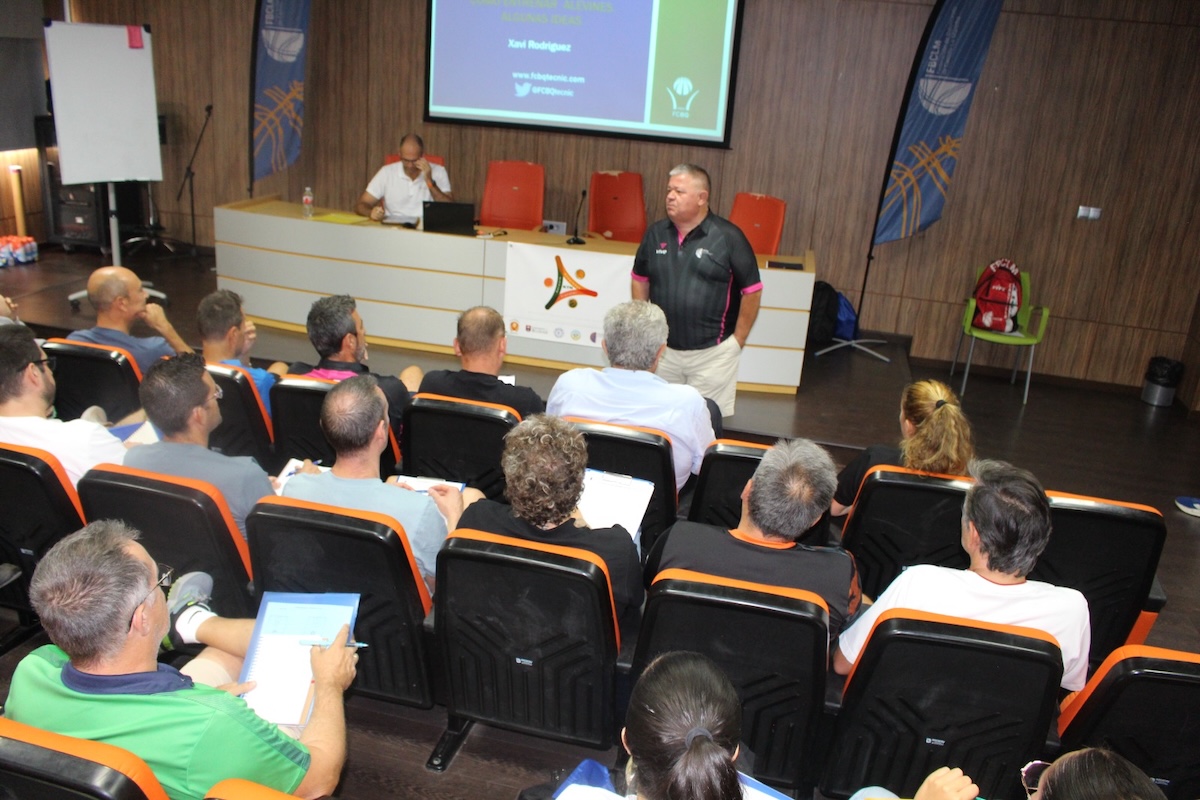
As part of the fourth Development Interaction of the Basketball-KTN Erasmus+ project, the Castilla-La Mancha Basketball Federation (FBCLM) conducted a series of dynamic and practical educational sessions focused on training decision-making through mini-basketball. Held in Albacete, these sessions brought together a total of 312 young athletes and coaches, aiming to develop game understanding, skill acquisition, and collaborative problem-solving in a playful and meaningful learning environment.
Training Focus & Methodology
Over four sessions, coaches and athletes were introduced to innovative methodologies that align technical and tactical training with critical thinking and creativity on the court. The central theme was to train decision-making as part of the game, not apart from it, especially for younger athletes involved in mini-basketball.
Key thematic areas included:
Tools and Resources
The sessions featured:
Participant Engagement
Coaches and athletes were deeply involved throughout the program, taking part in practical exercises, sharing coaching experiences, and reflecting on decision-making and game management. The immediate feedback and collaborative learning atmosphere encouraged creativity and confidence on the court.
Outcome
This FBCLM initiative stood out for its balanced combination of theory and practice, demonstrating that effective mini-basketball training should revolve around active participation, guided discovery, and real-game contexts. By empowering young players to think, decide, and act within a supportive environment, the Basketball-KTN project continues to inspire modern, evidence-based coaching across Europe.